
Understanding the psychology of risk-taking in casino environments
The Allure of Risk in Gambling
The concept of risk in casino environments is enticing, drawing many individuals into the world of gambling. Psychologically, people are often attracted to the idea of potentially gaining something substantial with minimal investment. This phenomenon is partially driven by the thrill associated with uncertainty and the allure of high rewards. As players engage in games like poker or roulette, the potential for a life-changing win often overshadows the probability of loss, creating a powerful motivational force. As they explore more, platforms like mafiacasinos1.com offer diverse opportunities for both seasoned and new players.
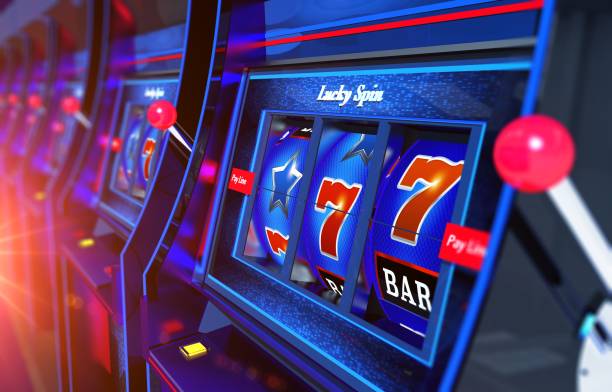
Moreover, the environment within casinos is meticulously designed to amplify this allure. Bright lights, engaging sounds, and a constant flow of excitement create an immersive experience that heightens the emotional stakes. This sensory stimulation can lead individuals to underestimate the risks involved, enhancing their willingness to gamble. Such an environment encourages players to chase losses or bet beyond their means, revealing deeper layers of psychological engagement in risk-taking behaviors.
This mindset also connects with cognitive biases, such as the optimism bias, where players believe they are more likely to win than others. This distortion can lead to overconfidence, which perpetuates the cycle of risk-taking and further draws individuals into the casino’s tempting embrace. Understanding these psychological motivations is crucial for both players and operators seeking to navigate the fine line between entertainment and responsible gaming.
The Role of Emotion in Gambling Decisions
Emotions play a significant role in decision-making processes in casino settings. When players experience excitement or euphoria from winning, their brain releases dopamine, a neurotransmitter associated with pleasure and reward. This chemical reaction reinforces the behavior of gambling, encouraging players to take more risks in pursuit of that emotional high. Conversely, losses can lead to feelings of frustration or sadness, prompting some players to gamble even more in an attempt to reclaim what they have lost.
Additionally, fear of missing out (FOMO) can amplify risk-taking behaviors. Observing others winning can incite feelings of urgency, leading individuals to participate even when they might not have originally intended to gamble. This emotional response can cloud judgment, as players may neglect proper strategies or bankroll management in favor of the fleeting excitement of the moment. The blend of emotion and decision-making creates a dynamic landscape that heavily influences how players approach risk in casinos.
Lastly, the social aspect of gambling cannot be overlooked. Engaging with others in a casino environment can heighten emotions and create a sense of community that drives players to take risks. This shared experience fosters a communal atmosphere where decisions can be influenced by peer behavior, further complicating the psychological landscape of risk-taking. Understanding how emotions interplay with gambling decisions is vital for recognizing why individuals may choose to engage in high-risk behaviors.
Myths and Misconceptions About Gambling
There are numerous myths surrounding gambling that can distort perceptions of risk-taking behavior. One common misconception is that winning streaks are a sign of a player’s skill or luck. In reality, the outcomes of casino games are largely determined by chance, and such streaks do not guarantee future success. This belief can lead to overconfidence, prompting individuals to take unnecessary risks based on flawed assumptions about their abilities.
Another prevalent myth is the idea of the “due” outcome, where players believe that if a particular outcome hasn’t occurred for a while, it’s more likely to happen soon. This gambler’s fallacy can result in individuals making ill-informed bets, convinced that they are due for a win. Understanding these misconceptions is essential in mitigating impulsive decision-making and recognizing the importance of responsible gambling practices.
Moreover, many players misunderstand the house edge, believing that they can find strategies to consistently beat the casino. While certain strategies may improve odds in specific games, the house always maintains a statistical advantage. This myth can encourage players to take higher risks than they should, motivated by the false hope of long-term success. By debunking these myths, individuals can make more informed decisions and foster a healthier relationship with gambling.
Responsible Gambling and Risk Management
Responsible gambling practices are critical in promoting a healthy attitude towards risk-taking in casino environments. Players need to understand their limits and establish clear boundaries for their gambling activities. Setting a budget and sticking to it, regardless of wins or losses, is a fundamental step in maintaining control. By framing gambling as a form of entertainment rather than a source of income, individuals can mitigate the risks associated with excessive play.
Incorporating self-assessment tools and resources can further enhance responsible gambling efforts. Many casinos and online platforms offer features that allow players to monitor their gaming habits and set limits on their spending and time. These tools empower players to take charge of their gambling, fostering a sense of accountability. By prioritizing risk management, individuals can engage in gambling in a way that emphasizes enjoyment without the threat of financial devastation.
Additionally, education plays a vital role in responsible gambling. Understanding the odds of various games, as well as the psychological factors at play, can equip players with the knowledge necessary to make informed choices. Casinos and gaming organizations should prioritize educational initiatives to help players recognize the signs of problem gambling and encourage healthy habits. By addressing the psychology of risk-taking, the industry can promote a safer gambling environment for all players.
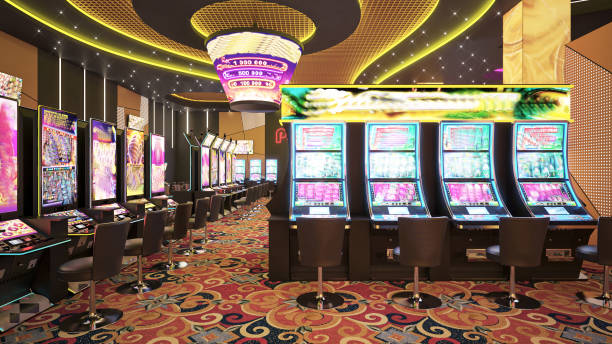
Exploring Mafia Casino’s Approach to Risk and Rewards
Mafia Casino exemplifies a contemporary approach to gaming by incorporating responsible gambling practices alongside thrilling experiences. Launched in 2025, it offers players an engaging blend of sportsbook and casino games, designed to maximize enjoyment while encouraging sensible risk management. With a user-friendly interface and a vast library of options, players can explore exciting gameplay without feeling overwhelmed.
The platform is committed to ensuring that all players have access to resources that promote responsible gambling. This includes tools for tracking spending, setting limits, and educational content designed to enhance understanding of the risks involved in gambling. By fostering a safe gaming environment, Mafia Casino aims to balance the thrill of risk with the importance of responsibility, creating an enjoyable experience for all.
Moreover, with its generous welcome bonuses and variety of secure payment options, Mafia Casino stands out as a top choice for players looking to engage in both casual and serious gaming. The casino’s focus on user experience ensures that players can easily navigate the landscape of risk and reward, allowing for a comprehensive gaming experience that respects both excitement and caution.